
That Honking Sound: A Parent’s Guide to Recognizing Kennel Cough Symptoms
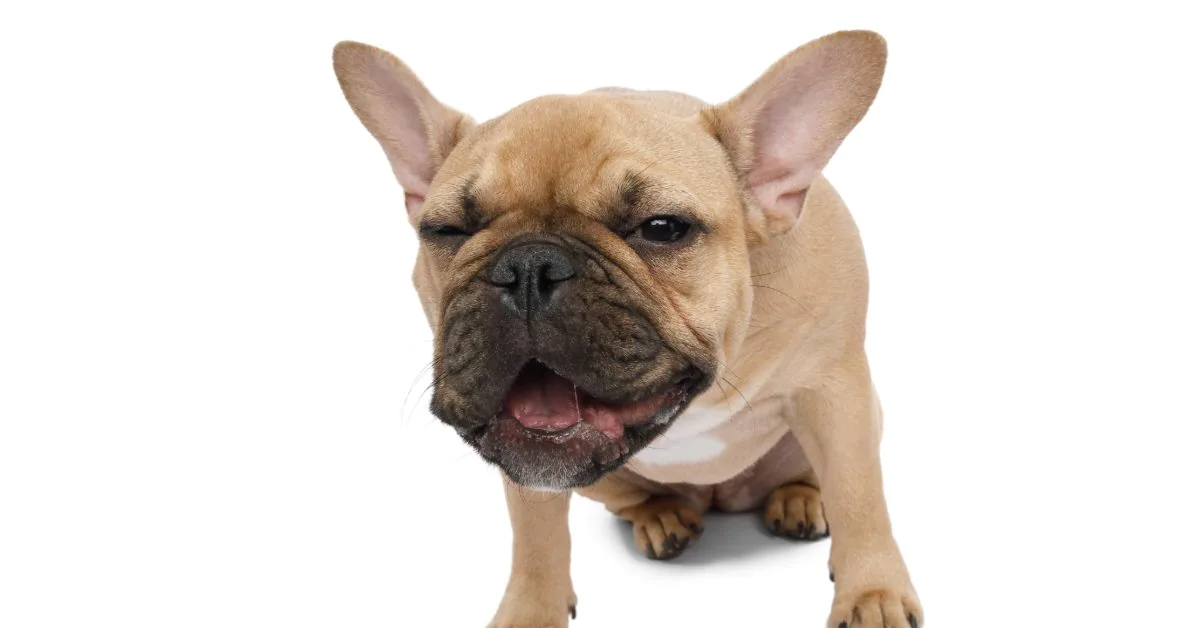
Your dog was just at the boarding facility, dog park, or groomer, and now they’re making a strange, forceful honking or hacking sound that’s hard to ignore. Kennel cough symptoms in dogs are distinctive once you know what to listen for, and that persistent cough is usually the first and most telling sign. This guide will help you understand what kennel cough is, how to recognize it, and when it’s time to call the vet.
What Is Kennel Cough?
Kennel cough, formally known as canine infectious tracheobronchitis, is a highly contagious respiratory illness in dogs. It’s caused by a combination of bacteria and viruses, most commonly Bordetella bronchiseptica (bacteria) alongside respiratory viruses like canine parainfluenza virus or canine adenovirus. The infection inflames the upper airways, particularly the trachea and bronchi, leading to the signature kennel cough sound most dog owners describe as a honking or goose-like cough. Despite the name, dogs don’t have to visit a kennel to contract it. Any situation where dogs are in close proximity such as dog parks, training classes, veterinary waiting rooms, or even a casual sniff at the neighbor’s fence can result in transmission.
Kennel Cough Symptoms in Dogs: What to Watch For
Recognizing the symptoms of kennel cough in dogs early gives you the best chance to seek appropriate care and prevent spreading the illness to other dogs. Symptoms typically appear two to fourteen days after exposure and can range from mild to more serious.
The Signature Kennel Cough Sound
The most recognizable kennel cough symptom is a strong, persistent, dry cough, often described as a honking or hacking sound. It may sound like your dog has something stuck in their throat. The cough tends to worsen with activity, excitement, or pressure on the collar and throat area. Some dogs cough so hard they retch afterward, which can be alarming but is common with this illness.
Additional Kennel Cough Symptoms
Beyond the cough itself, dogs with kennel cough may show a range of other signs. Look for:
- Runny nose or nasal discharge
- Watery or goopy eyes
- Sneezing
- Low-grade fever
- Mild lethargy (less energy than usual)
- Reduced appetite in more severe cases
In mild cases, dogs with kennel cough remain alert and active, they just won’t stop coughing. In more serious cases, particularly in puppies, senior dogs, or immunocompromised dogs, kennel cough can progress to pneumonia and become life-threatening.
Is My Dog’s Cough Kennel Cough or Something Else?
Not every cough in a dog is kennel cough. Conditions like canine influenza, heart disease, collapsing trachea, and foreign body obstruction can all cause coughing in dogs. The context matters: if your dog recently had contact with other dogs and is now showing kennel cough symptoms, the diagnosis is more likely. But if the cough is accompanied by significant lethargy, labored breathing, or loss of appetite, a prompt veterinary evaluation is essential. Our veterinary team at Dyer Animal Clinic can help distinguish kennel cough from other respiratory conditions and determine the right course of care for your dog.
When to Take Your Dog to the Vet for a Kennel Cough
Many mild cases of kennel cough resolve on their own within one to three weeks. But that doesn’t mean all dogs should simply wait it out. Schedule a veterinary visit at Dyer Animal Clinic if:
- Your dog is a puppy, senior, or has pre-existing health conditions
- The cough has persisted for more than a week with no improvement
- Symptoms are worsening instead of improving
- Your dog has a high fever, significant lethargy, or stops eating
- You notice labored breathing, rattling sounds in the chest, or blue-tinged gums
Those last symptoms, especially labored breathing or blue gums, are signs of pneumonia, a serious complication of untreated kennel cough. Treat these as an emergency.
How Is Kennel Cough Diagnosed and Treated?
Diagnosis at Dyer Animal Clinic typically involves a physical examination and a review of your dog’s recent history and exposure. In some cases, additional testing may be recommended to rule out other conditions or confirm the specific pathogens involved.
Treatment Options
Treatment depends on the severity of your dog’s kennel cough symptoms. Mild cases in healthy adult dogs may not require medication. More significant cases or cases in high-risk dogs may involve antibiotics (to address the bacterial component), cough suppressants to help your dog rest, and in severe cases, additional supportive care. Your veterinarian at Dyer Animal Clinic will determine the appropriate treatment plan based on your dog’s specific situation.
Isolation During Recovery
Because kennel cough is highly contagious, dogs diagnosed with it should be kept away from other dogs until they’ve been symptom-free for at least two weeks. Avoid dog parks, boarding, grooming, and doggy daycare during this period. This protects the broader canine community and helps your dog recover faster.
Can Kennel Cough Be Prevented?
Yes, vaccination is the most effective way to reduce your dog’s risk of kennel cough. The Bordetella vaccine is widely recommended for dogs that spend time around other dogs, and Dyer Animal Clinic offers it as part of routine preventive care. While the vaccine doesn’t guarantee your dog will never contract kennel cough (because multiple pathogens are involved), it significantly reduces the severity of the illness and the risk of serious complications. Talk to our veterinary team at Dyer Animal Clinic in Dyer, Indiana about whether the Bordetella vaccine is right for your dog’s lifestyle and how often it should be updated.
That Honking Sound Deserves a Closer Listen
Kennel cough symptoms in dogs are hard to miss once you’ve heard them. If your dog is hacking, honking, or coughing persistently after contact with other dogs, trust your instincts and give us a call at (219) 865-3737. Our team at Dyer Animal Clinic is here to evaluate your dog, provide relief, and help get them back to their happy, energetic self as quickly as possible.
Share This Post
Recent Posts




About Dyer Animal Clinic
We are a place where pets and their people can feel at home. It's a place where wellness is maintained and supported from the time they’re newborns through their golden years.