
Is it Normal That My Dog Snores?

If your dog snores, you’re not alone, and in many cases, dog snoring is perfectly normal. Dogs snore for many of the same reasons people do: relaxed throat muscles, sleeping position, or simply the shape of their airway. That said, snoring in dogs can sometimes signal an underlying health issue worth discussing with your veterinarian. Below, we’ll discuss what every pet owner should know.
Why Do Dogs Snore?
Dog snoring happens when airflow through the nose, mouth, or throat is partially obstructed during sleep, creating that familiar rumbling or rattling sound. The causes range from completely harmless to medically significant, which is why it helps to understand what’s normal for your particular dog.
Breed and Anatomy
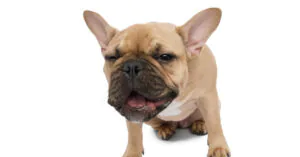
Brachycephalic breeds, or dogs with flat or squished faces, are the most common snorers in the canine world. Breeds like Bulldogs, French Bulldogs, Pugs, Boston Terriers, Boxers, and Shih Tzus have shortened nasal passages and soft palates that naturally restrict airflow. For these dogs, snoring is an expected part of life. However, even “normal” snoring in these breeds can sometimes become problematic if breathing becomes labored or sleep is frequently disrupted.
Sleep Position
Just like in humans, your dog’s sleeping position can affect how much they snore. A dog lying flat on their back may snore loudly, while the same dog curled on their side might sleep quietly. If your dog only snores in certain positions, their anatomy is likely the main factor, not an underlying medical issue.
Allergies and Environmental Irritants
Seasonal allergies, dust, mold, cigarette smoke, and household cleaning products can all cause nasal irritation and congestion in dogs. Inflamed nasal passages narrow the airway, which can trigger or worsen dog snoring. If you notice your dog’s snoring gets worse at certain times of year or in certain environments, allergies may be worth exploring with your vet.
Weight and Body Condition
Excess weight can cause fatty tissue to accumulate around a dog’s throat, narrowing the airway during sleep and increasing snoring. Overweight dogs are significantly more likely to develop snoring issues than dogs at a healthy weight. If your dog has recently started snoring or snoring has increased alongside weight gain, this may be a factor worth addressing with your veterinarian at Dyer Animal Clinic.
Is My Dog’s Snoring Normal or a Sign of a Problem?
It depends. Light, occasional snoring in an otherwise healthy dog is usually not a cause for alarm. But certain changes in your dog’s snoring pattern deserve a closer look.
Consider scheduling a veterinary visit to Dyer Animal Clinic if you notice any of the following:
- Snoring that starts suddenly in a dog that has never snored before
- Snoring accompanied by labored breathing, gasping, or choking sounds
- Snoring alongside nasal discharge, facial swelling, or pawing at the nose
- Your dog seeming unusually tired or lethargic despite sleeping a lot
- Visible pauses in breathing during sleep (a potential sign of sleep apnea in dogs)
Can Dogs Have Sleep Apnea?
Yes, dogs can develop sleep apnea, and it’s more common in flat-faced breeds. Canine sleep apnea causes dogs to briefly stop breathing during sleep, then startle awake gasping for air. Over time, this disrupts sleep quality and can affect overall health. If your dog frequently wakes themselves up snoring or appears restless during sleep, bring this up with your veterinarian. Sleep apnea in dogs is manageable, but it does require professional evaluation.
Other Medical Causes of Dog Snoring
Beyond anatomy and allergies, a few other conditions can cause or worsen snoring in dogs. Understanding these helps you know when a trip to Dyer Animal Clinic might be in order.
Upper Respiratory Infections
A dog with a cold, kennel cough, or another upper respiratory infection may begin snoring more than usual due to nasal congestion and throat inflammation. This type of snoring typically resolves once the infection clears, but it’s worth having your dog evaluated if you suspect an illness.
Nasal Polyps or Foreign Objects
Occasionally, a growth like a nasal polyp or a foreign object lodged in the nostril can partially block airflow and cause new or worsening snoring. This is especially worth considering if the snoring is one-sided (louder from one nostril) or accompanied by sneezing, nosebleeds, or facial asymmetry.
Dental Disease
Severe tooth root infections can extend into the nasal cavity in dogs, causing swelling that obstructs the airway. Dogs with untreated dental disease may develop snoring as an indirect symptom. This is one more reason why routine dental care at Dyer Animal Clinic matters for your dog’s overall health.
What Can Make Dog Snoring Worse?
Several everyday factors can increase the intensity or frequency of snoring in dogs. Being aware of these can help you notice changes more quickly:
- Exposure to secondhand smoke or strong chemical scents
- Sleeping in a dry environment (low humidity can irritate nasal passages)
- Weight gain, even just a few extra pounds
- Allergic reactions to new foods, bedding materials, or cleaning products
- Recent changes in sleep environment or routine
When to See a Vet About Your Dog’s Snoring
A dog that has always snored lightly and otherwise behaves normally is likely fine. But if snoring is new, suddenly louder, or paired with any changes in your dog’s breathing, energy, or behavior, it’s time to book an appointment. Our veterinary team at Dyer Animal Clinic can help determine whether your dog’s snoring is simply a quirky trait or a sign of something that needs attention.
For flat-faced breeds especially, periodic check-ins with your vet are a smart habit. Brachycephalic airway syndrome, which is a group of anatomical conditions that affect breathing in flat-faced dogs, can worsen with age, and early intervention often leads to better outcomes.
What Your Dog’s Snoring Is Trying to Tell You
Dog snoring is often just a funny background soundtrack to a happy, healthy life. But your dog’s breathing patterns are one of the clearest windows into their overall health. Whether you have a champion snoring Bulldog or a dog who has just started making unusual sounds in their sleep, our team at Dyer Animal Clinic in Dyer, Indiana is here to help you sort out what’s normal and what’s worth watching. Give us a call at (219) 865-3737 if you have questions or want to schedule a wellness exam. There’s no such thing as a silly question when it comes to your pet’s health.
Share This Post
Recent Posts


About Dyer Animal Clinic
We are a place where pets and their people can feel at home. It's a place where wellness is maintained and supported from the time they’re newborns through their golden years.