

Vet Visits: How Often is Enough? When to Schedule Your Cat’s Vet Appointment

Cats are independent by nature, but that doesn’t mean they don’t need routine veterinary care. Regular check-ups help maintain their health, detect potential issues early, and ensure they receive necessary vaccinations. But how often should a cat go to the vet? The answer depends on their age, lifestyle, and medical history. Below, we’ll help you understand the right schedule for veterinary visits to help your cat live a longer, healthier life. If you’re in Dyer, Indiana, and wondering when to schedule your cat’s next vet visit, call Dyer Animal Clinic at (219) 865-3737 today to book an appointment.
How Often Should a Kitten Go to the Vet?
Kittens require frequent veterinary care in their first few months of life. Regular check-ups are essential to monitor their development, administer vaccinations, and screen for common health issues.
First Vet Visit
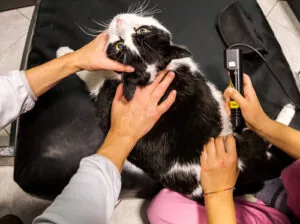
Your kitten’s first vet appointment should happen when they are around eight weeks old. During this visit, your veterinarian will conduct a full physical examination, check for congenital conditions, and discuss proper nutrition. This is also when the first round of vaccinations typically begins.
Vaccination Schedule
Kittens need a series of vaccinations to protect them from diseases such as feline distemper, calicivirus, and rabies. The typical vaccination schedule includes visits every three to four weeks until they reach 16 weeks of age. Your veterinarian will also discuss preventive treatments for parasites, including fleas, ticks, and worms.
Spaying or Neutering
Most veterinarians recommend spaying or neutering a kitten around five to six months of age. This procedure helps prevent unwanted litters and can reduce the risk of certain health and behavioral issues. A vet visit before the procedure ensures your kitten is healthy enough for surgery.
How Often Should an Adult Cat Go to the Vet?
Once your cat reaches adulthood, their veterinary schedule becomes less frequent but remains just as important. Preventive care is the best way to maintain their long-term health.
Annual Wellness Exams
Adult cats should visit the vet at least once a year for a comprehensive wellness exam. These visits typically include:
- A full physical assessment
- Vaccination updates
- Dental health evaluation
- Parasite prevention
- Weight and nutrition assessment
Even if your cat appears healthy, an annual check-up allows your veterinarian to detect any hidden health concerns before they become more serious.
Preventive Care for Indoor Cats
Indoor cats generally face fewer health risks than outdoor cats, but they still require routine care. Annual exams help identify potential weight issues, dental disease, and age-related conditions. Regular screenings for heart disease, kidney function, and thyroid problems become more important as your cat ages.
When to Schedule Additional Visits
If your cat displays unusual behaviors such as vomiting, excessive thirst, sudden weight loss, or changes in litter box habits, schedule a vet appointment right away. These could be signs of underlying health conditions that require prompt attention.
How Often Should a Senior Cat Go to the Vet?
As cats enter their senior years, their risk of developing chronic conditions increases. More frequent veterinary visits help manage age-related health concerns and keep them comfortable.
Biannual Wellness Exams
Veterinarians recommend senior cats, typically those over seven years old, have check-ups every six months. These visits often include:
- Comprehensive bloodwork
- Kidney and liver function tests
- Arthritis evaluation
- Dental assessments
- Nutrition and weight monitoring
Frequent exams allow veterinarians to detect and manage conditions like arthritis, diabetes, or kidney disease early, improving your cat’s quality of life.
Common Health Concerns in Senior Cats
Aging cats are more prone to illnesses such as hyperthyroidism, kidney disease, and high blood pressure. Regular screenings help catch these conditions in their early stages, making treatment more effective. If your senior cat shows signs of decreased mobility, increased vocalization, or confusion, schedule an exam to rule out medical issues.
Why Routine Vet Visits Matter for Your Cat’s Health
Regular vet visits are about more than just vaccinations—they provide a full picture of your cat’s well-being. Early detection of diseases, preventive care, and proper nutrition all play a role in your cat’s overall health. No matter your cat’s age, scheduling regular check-ups at Dyer Animal Clinic ensures they receive the best care possible. Call (219) 865-3737 today to make an appointment and keep your cat on a healthy path.
Share This Post
Recent Posts



About Dyer Animal Clinic
We are a place where pets and their people can feel at home. It's a place where wellness is maintained and supported from the time they’re newborns through their golden years.